Skin feeling tight or sensitive? Build a simpler barrier-care routine
· Guides by SG

In short: when your skin feels tight, dry or starts to sting, simplify your routine. Cleanse gently with lukewarm water, make moisturiser the centre of your routine, keep sun protection every morning and pause exfoliants and strong treatments until your skin feels comfortable again. Introduce one new product at a time, and seek professional advice if symptoms persist or worsen.
When your skin feels tight after washing or products begin to sting, give comfort a clearer place in your routine: cleanse gently, choose moisturising care and keep daytime protection consistent.
At Rosedrick & Co, we believe a well-chosen routine should make everyday care easier. Start with the essentials and give each step a clear purpose.
Who this guide is for
This guide is for anyone whose skin has started to feel tight, rough, flaky or easily irritated, whether after trying several new products, during a dry Highveld winter, after time in air-conditioned offices or simply over time. It suits every skin tone and works for women and men who want a calmer routine with fewer, better-chosen steps.
What your skin barrier does
The outermost layer of your skin works like a protective wall. Skin cells act as the bricks, and natural fats such as ceramides, cholesterol and fatty acids act as the mortar between them. Together they help hold water in and keep everyday irritants out. When this layer is stressed, skin can lose moisture more easily and react to products it used to tolerate.
Understand what changed
Look back at recent changes: a new exfoliant, several treatments introduced together, hotter showers or a cleanser that leaves your skin uncomfortable. Start by removing the source of irritation and returning to a gentle cleansing and moisturising routine. Recurring or worsening reactions deserve a professional assessment.
Common everyday triggers
- Over-exfoliating: scrubs, acids or retinoids used too often or combined.
- Too many new products at once: it becomes hard to tell what agrees with your skin.
- Hot water and long showers: these can leave skin feeling stripped.
- Harsh cleansers: choose a cleanse that leaves skin comfortable, not tight.
- Dry air: cold inland winters, wind and air conditioning draw moisture from skin.
- Sun exposure: strong UV (ultraviolet) radiation adds to dryness and sensitivity.
- Fragrance: choose fragrance-free options if fragrance irritates your skin.
Bring the ritual back to the essentials
Cleanse gently. Use lukewarm water and your fingertips rather than scrubbing. Choose a cleanser your skin tolerates and follow its directions. Pat your face dry with a clean towel rather than rubbing.

Make moisturising the centre of the routine. Choose a comfortable formula with hydrating ingredients and a texture that suits your skin. Ceramides help support the skin’s moisture barrier. Apply moisturiser to slightly damp skin, morning and evening. Choose fragrance-free options if fragrance bothers you.

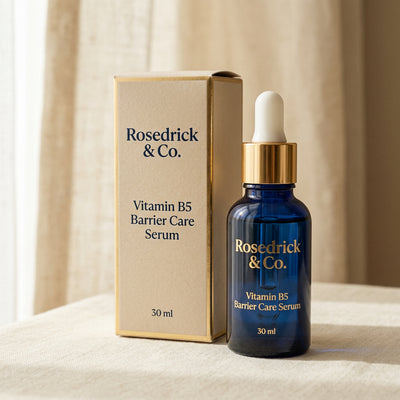
For a comfort-focused step before moisturiser, choose our Vitamin B5 Barrier Care Serum. Panthenol (vitamin B5), niacinamide, hyaluronic acid and aloe vera extract bring everyday hydration and skin comfort to your routine. Follow with moisturiser and daytime sunscreen.

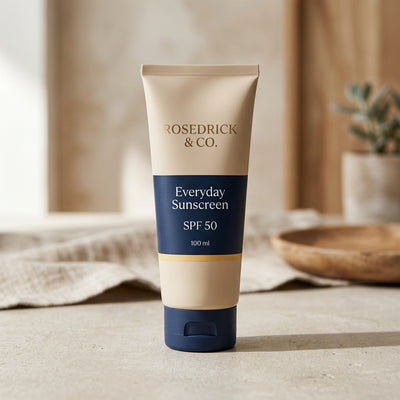
Keep Protect in your morning ritual. Choose broad-spectrum SPF (sun protection factor) 30 or higher and follow its directions, alongside shade and protective clothing. Reapply outdoors according to the label.
Let optional treatments wait. Keep the routine focused on cleansing, moisturising and protection while skin feels unsettled. Stop a cosmetic that causes irritation. If you use prescribed skincare, ask your clinician before changing it.
Choose your next step with confidence
For tight, dry-feeling skin, start with our barrier-support selection. Choose one purposeful addition that complements your existing routine.
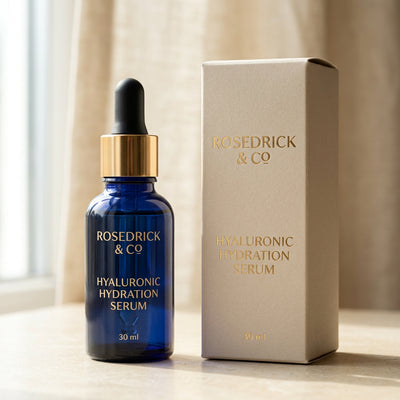
Choose Hyaluronic Hydration Serum when hydration is your priority. Apply it before moisturiser, and finish your morning routine with sunscreen.

For comfort-focused care, explore Calm & Comfort Serum. Patch test first and introduce it on its own so you can see how it fits your routine.


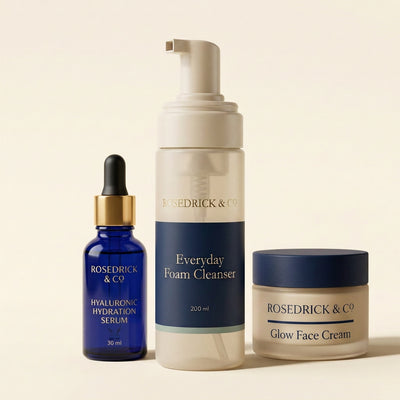
Prefer a ready-assembled routine? Our Glass Skin Starter Kit brings together cleanser, hydration serum and face cream for three clear steps. Introduce each product gradually and add separate daytime sunscreen to complete your morning routine.

A manageable morning and evening
Morning: cleanse gently as needed, apply your chosen hydration step, moisturise and protect.
Evening: cleanse and moisturise. Let the Treat step wait while skin feels unsettled. Keep masks, patches and tools for when they serve a clear need.
Introduce new products individually and follow their directions. This makes it easier to notice what agrees with your skin. Introduce the products in a kit gradually too.
How to introduce a new product safely
- Patch test: apply a small amount to a discreet area, such as along the jawline or inner arm, once or twice a day for several days, following the product directions.
- Watch for reactions: stop if redness, itching, burning or swelling occurs.
- Add one product at a time: wait a week or two before adding the next.
- Keep a note: record what you started and when to make patterns easier to spot.
South African weather and your skin
Inland winters in Gauteng and the Free State bring cold, very dry air, which is when many people first notice tightness and flaking. Hot summers mean more sun, sweat and air conditioning. Coastal humidity in Durban can make heavy creams feel uncomfortable, so choose a lighter texture when that feels better. Adjust the richness of your moisturiser with the seasons, but keep sun protection all year.
Common mistakes
- Adding more products to fix irritation: simplify first.
- Exfoliating through discomfort: pause scrubs and acids until skin feels calm.
- Hot showers on the face: use lukewarm water.
- Skipping moisturiser on oily skin: oily skin still needs hydration.
- Dropping sunscreen in winter: UV still reaches your skin on cool days.
- Starting a whole kit on day one: introduce each product gradually.
When to get professional help
Persistent burning, repeated rashes, swelling, weeping skin or worsening symptoms deserve assessment by a pharmacist, doctor or dermatologist. Severe swelling or breathing difficulty requires urgent medical help. Eczema, rosacea and suspected allergies need individual assessment and appropriate treatment.
Frequently asked questions
Do I need a ceramide cream?
Ceramides are useful barrier-supporting ingredients. Choose a comfortable texture and a formula you can use consistently, taking your skin’s sensitivities into account.
Should I keep using a product if it stings?
Stop a product that causes burning or persistent stinging. Seek advice if the reaction persists or is severe.
How long does barrier recovery take?
Recovery depends on the cause and severity of irritation. Focus on consistent gentle care, track how your skin feels and seek assessment if symptoms persist or worsen.
Should I stop exfoliating if my skin feels sensitive?
Yes. Pause exfoliants and strong treatments while your skin feels tight or stings. Once skin feels comfortable, reintroduce them slowly according to product directions.
Is dry skin the same as dehydrated skin?
Dry skin generally describes skin that makes less oil, while dehydrated skin lacks water and affects any skin type, including oily skin. Our guide explains how to choose care for each.
Can men use a barrier-care routine?
Yes. Shaving adds to irritation for some people, so the same steps apply: gentle cleansing, comfortable moisturising and daily sun protection.
Start with the care your skin needs today, then build a routine you can maintain.
Sources and further reading
AAD (American Academy of Dermatology): choosing a moisturiser
Journal of Drugs in Dermatology: practical approaches to sensitive skin