Pregnancy sleep discomfort: build a more comfortable side-sleeping setup
· Simbarashe Gova

A growing bump can make a familiar sleeping position feel unfamiliar. Your hips may feel tired, your head pillow may suddenly seem wrong, and rolling over can become a whole operation. At Rosedrick & Co, we favour a practical approach: support the gaps, choose a shape that fits your needs and follow the advice of your maternity team.
From 28 weeks, settle to sleep on your side
From 28 weeks of pregnancy, go to sleep on your side, either left or right. This includes bedtime, returning to sleep after waking and daytime naps. If you wake on your back, do not panic. Turn onto your side and settle again.
A pillow does not guarantee that you will stay in one position, and no pillow makes back sleeping in late pregnancy equivalent to side sleeping. If you have been given individual instructions because of your health or pregnancy, follow those.
Full-body maternity pillows: support without unnecessary bulk
A purpose-shaped full-body pillow can bring several support points into one arrangement. Look for a size that fits your body and bed, with enough flexibility to position a section between your bent legs without forcing your hips apart. A U-shaped design provides arms on both sides; curved designs offer another way to arrange support around your resting position.

More padding is not always better. If the pillow pushes your head up, crowds your bump or makes turning difficult, change the arrangement or try a less bulky shape. Keep your face and breathing unobstructed.

Bump wedges: targeted support for a smaller gap
If your bump feels as though it is pulling downward when you lie on your side, a small pregnancy wedge is one option to assess for comfort. Its tapered edge can fit into the gap beside and beneath the bump. Start with gentle support rather than trying to lift your abdomen or push it into a fixed position.

Lumbar and dual-wedge supports: adjust front and back separately
A dual-wedge pregnancy pillow places separate support cushions beside the bump and behind the lower back. Adjustable spacing can help you assess a comfortable fit as your body changes. This design has a different job from a head pillow, and it does not replace leg support when that is needed.

Look for a setup that leaves you free to move. Do not tighten or wedge yourself into a position. Follow the actual product's fitting instructions and ask your maternity team about individual concerns.
Build support in separate zones
Start with a head pillow that keeps your head comfortably in line with your body. A head pillow supports your head and neck; it does not automatically support the bump or pelvis.
Try support beneath your bump and between your knees where it feels useful. If your legs feel unsupported, assess an arrangement that also cushions the space between the ankles without forcing the legs apart. Support behind your back may feel reassuring, but it is not a restraint or a guarantee against rolling.
You do not necessarily need one enormous pregnancy pillow. Smaller separate supports can be easier to adjust as your needs change. A dedicated pregnancy or body pillow is an option, not a requirement.
Match the support to the discomfort
If the top leg pulls forward and twists your pelvis, start by adjusting the support between your legs. If your bump feels as though it is pulling downward, try gentle support underneath it. If your neck feels bent, revisit the head pillow height rather than adding more support elsewhere.
Make small changes and check how they feel. More padding is not always better: an oversized pillow can push your head or legs into an uncomfortable position. Keep your face and breathing unobstructed and make it easy to turn or get out of bed.
What the research can tell us
Small randomised studies have reported improvements in sleep or comfort with pregnancy pillows, but this does not establish that every retail design or brand produces the same results. Evidence for pregnancy wedges is also limited, with very low certainty in an assessment of an older wedge-pillow study. Rosedrick & Co recommends choosing by the support you need, fit and ease of adjustment, rather than treating a product shape as a guarantee of pain relief.
Comfort and pregnancy safety are different questions. A pillow that feels comfortable is not proven to prevent pregnancy complications, and positioning products cannot guarantee that you will stay on your side throughout the night.
Where our head-support pillows fit
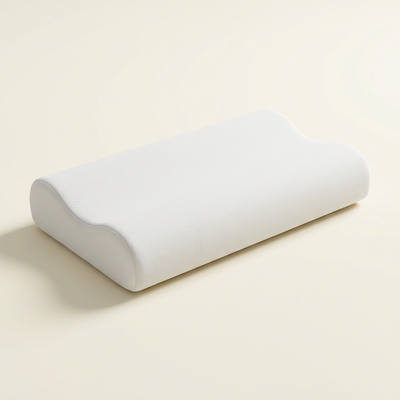
For head and neck support specifically, explore Rosedrick & Co's SideSleeper Pro pillow and Contoured Sleep Support Pillow. These are separate from the maternity support designs illustrated above. Neither is a full-body pregnancy pillow, a pelvic support device or a treatment for pregnancy discomfort. Separate bump and leg support may still be needed.
Choose a head pillow by whether it fits your resting position comfortably and is consistent with your maternity team's advice, rather than relying on pregnancy wording on a box.
When pillows are not enough
Tell your midwife, doctor or maternity team about persistent sleep disruption or pain that affects walking, turning in bed or everyday activity. Ask about suitable physiotherapy or other support rather than relying on a pillow alone. Seek urgent maternity advice for concerning symptoms such as bleeding, severe pain or reduced baby movements; do not wait to see whether a different sleeping position helps.
Rosedrick & Co recommends a simple, adjustable setup: comfortable head support, gentle bump support and cushioning between the legs where needed. Start there, reassess as your pregnancy changes and let your maternity team guide any individual concerns.
Sources and further reading
- NHS: Tiredness and sleep problems in pregnancy
- NHS: Side-sleeping guidance
- Tommy's: How to get more sleep in pregnancy
- Randomised study: Pregnancy pillows, sleep and comfort
- Cochrane: Certainty of evidence for a maternity wedge pillow
- Randomised crossover trial: A pillow designed to discourage back sleeping
- NHS: Your baby's movements
- NHS: Stomach pain in pregnancy
Shop the solution
What we recommend for this
The practical pieces that fit the routine in this guide. Choose what fills a real gap for you.