Sunscreen in South Africa: choose protection that fits your everyday routine
· Guides by SG

In short: choose a broad-spectrum sunscreen with SPF (sun protection factor) 30 or higher, apply a generous amount every morning as the last skincare step, and reapply about every two hours when you are outdoors. Combine it with shade, a hat and protective clothing. Choose a sunscreen you enjoy using correctly every day.
The right sunscreen earns its place in your routine through dependable daily use. Start with the protection on the label, then choose the texture and finish that fit your day.
At Rosedrick & Co, Protect is part of the morning ritual, alongside cleansing and moisturising. Make it an everyday essential, from workday commutes to beach holidays.
Who this guide is for
This guide is for anyone in South Africa who wants a simple daily sun-protection habit: people commuting or working near windows, parents getting children ready for school and sport, anyone training outdoors, and those caring for dark marks or uneven tone. It covers every skin tone and focuses on everyday use.
Why sun protection matters in South Africa
South Africa has strong sunshine for much of the year, and UV (ultraviolet) radiation can be intense even on cooler or cloudy days. Higher-altitude areas such as Gauteng receive strong UV, and time near water, sand or outdoor sport adds to exposure. CANSA (Cancer Association of South Africa) encourages sun-smart habits year-round and advises extra care in the middle of the day, roughly between 10:00 and 15:00, when UV is usually strongest.
Daily protection helps prevent sunburn and supports care for visible signs of sun exposure, including dark marks and uneven tone. That is why Protect sits at the centre of the morning ritual.
What to look for on the label
Choose broad-spectrum protection against UVA (ultraviolet A) and UVB (ultraviolet B) rays, with SPF 30 or higher. For swimming and sweating, choose water-resistant protection and follow its specific directions.
- Broad spectrum: protection against both UVA and UVB.
- SPF 30 or higher: your everyday baseline, applied generously and consistently.
- Water resistance: choose a labelled water-resistant formula for sport and swimming, and follow its reapplication schedule.
- Directions and expiry: follow the amount, timing and reapplication advice, and replace expired sunscreen.
Build complete sun-smart habits around sunscreen: seek shade, wear a hat and protective clothing, and plan reapplication during outdoor time.
How much sunscreen to use
Most people apply less than the amount used to test SPF. The AAD (American Academy of Dermatology) notes that most adults need about enough to fill a shot glass to cover the whole body. For the face and neck, apply a generous, even layer according to your product’s directions. Cover exposed areas thoroughly, including ears, neck and the backs of your hands.
Make application part of your morning
Apply sunscreen as the last skincare step before makeup. Follow the label’s timing before sun exposure and cover exposed areas carefully.

A simple order for your morning:
- Cleanse: gently remove overnight build-up.
- Treat: apply a serum when it meets your skin’s needs and its directions support daytime use.
- Moisturise: let it settle.
- Protect: apply sunscreen to face, ears, neck and other exposed skin.
- Makeup: apply once sunscreen has set.
Take sunscreen with you for reapplication. Outdoors, reapply approximately every two hours and after swimming, sweating or towelling, following the individual label.
Reapplying through the day
Plan around your exposure. Outdoor work, long drives, beach days and sports fields call for accessible sunscreen and regular reapplication. Keep a bottle in your bag, desk drawer or sports kit, stored within the temperatures on its label. Avoid leaving sunscreen in a hot car or direct sunlight.

Choose around your skin and your plans
A finish you enjoy makes consistent use easier. Choose the formula that fits both your skin and your day.
- Oily or breakout-prone skin: choose lighter, non-greasy textures for comfortable daily wear.
- Dry skin: choose a nourishing texture or apply moisturiser underneath.
- Sensitive skin: patch test and introduce one new product at a time.
- Medium and deep skin tones: choose a finish that blends comfortably with your skin tone.
For dark-mark concerns, a tinted sunscreen containing iron oxides offers additional visible-light protection. Look for the ingredients and protection information alongside broad-spectrum labelling.
All skin tones benefit from thoughtful protection. For persistent sensitivity or a diagnosed skin condition, a qualified professional can help you choose a comfortable formula.
Find your everyday Protect step
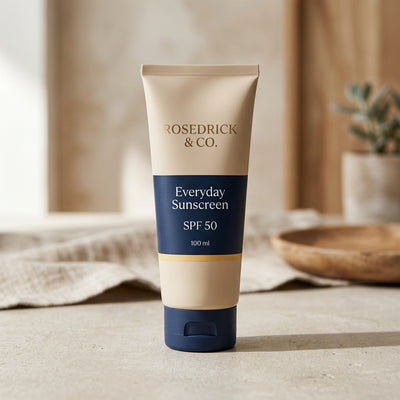
Choose Everyday Sunscreen SPF50 for your daily Protect step. Apply it according to the label and keep it alongside your morning essentials so the habit is easy to maintain. For swimming or sport, select a sunscreen labelled for water resistance.
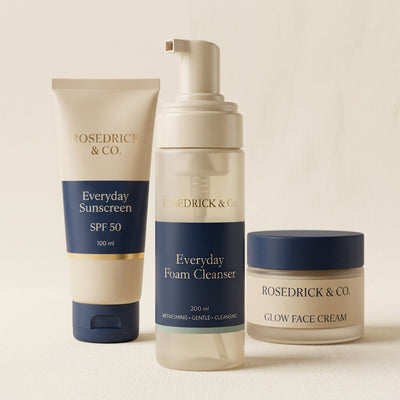
Want the morning essentials together? The Everyday Skincare Essentials Kit includes cleanser, face cream and sunscreen in a clear cleanse, moisturise and protect routine. Introduce new skincare gradually.

When dark marks or uneven tone are your focus, add Even Tone Serum as your targeted step and keep daily protection consistent.


Common mistakes
- Using too little: apply the generous coverage directed on the label.
- Skipping cloudy or winter days: UV still reaches your skin.
- Forgetting areas: cover ears, neck, hairline, backs of hands and feet.
- Relying on makeup alone: keep sunscreen as a dedicated skincare step before makeup.
- Missing reapplication: reapply outdoors and after swimming, sweating or towelling.
- Keeping expired or overheated bottles: replace expired sunscreen and store it away from heat and direct sun.
When to see a professional
Speak to a doctor or dermatologist about a new mole or mark, changes in size, shape or colour, bleeding, itching or a sore that does not heal. Seek advice if you react to sunscreens or need help choosing protection for a skin condition.
Frequently asked questions
What SPF should I use in South Africa?
Choose broad-spectrum SPF 30 or higher for everyday use. Apply generously and reapply about every two hours outdoors. For sport and swimming, choose labelled water-resistant protection.
Does SPF in makeup replace sunscreen?
Keep sunscreen as a dedicated step. Apply it generously before makeup so you have consistent coverage across exposed skin.
Do darker skin tones need sun protection?
Yes. Daily protection matters across skin tones, including for dark marks. Combine sunscreen with shade and protective clothing.
Do I need sunscreen on cloudy or winter days?
Yes. UV reaches your skin through cloud and in winter. Keep sunscreen in your morning routine all year.
Is sunscreen waterproof?
Choose a water-resistant formula for swimming or sweating and follow the water-resistance duration and reapplication directions on its label. Reapply after towelling.
Should every skincare kit include sunscreen?
Morning routines need a Protect step. The Everyday Skincare Essentials Kit includes sunscreen; when choosing a hydration or evening kit, add your daytime sunscreen separately.
Keep the ritual purposeful
Cleanse, moisturise and protect each morning. Choose a targeted treatment for your main need and keep the routine consistent. Rosedrick & Co helps you choose practical steps that fit your day.
Sources and further reading
AAD: practising safe sun habits